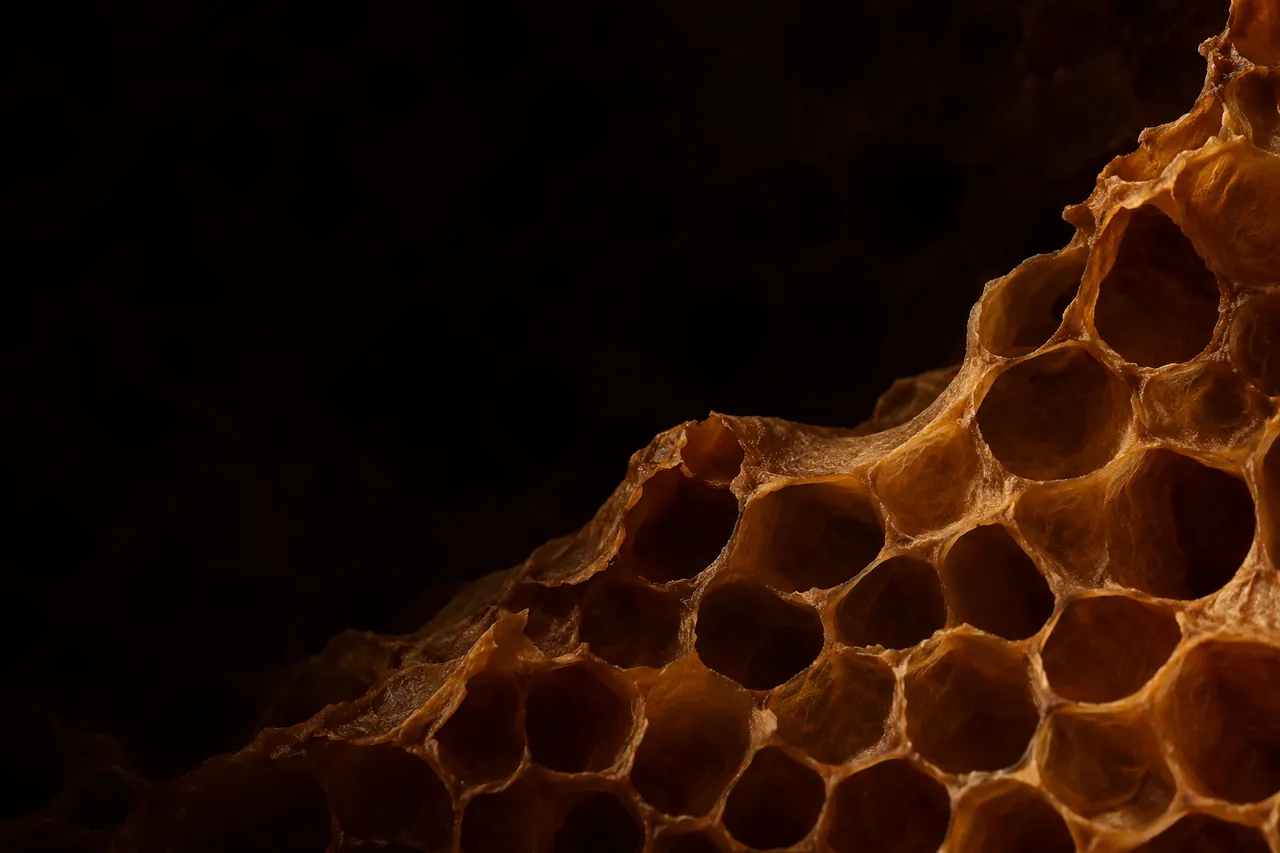
Varroa threatens colony survival
A field experiment found that reducing Varroa infestation during winter-bee development improved bee lifespan and colony survival.
PLOS ONE field study

In Development
APION is developing AI tools to help beekeepers review hive inspection photos and carry what they find into the next visit.
Explore the technologyThe challenge
A monitoring board records a stretch of time. A frame photo catches a moment. When someone else opens the hive, they need to know when the photo was taken, what was sampled, and what’s worth checking again.
A field experiment found that reducing Varroa infestation during winter-bee development improved bee lifespan and colony survival.
PLOS ONE field studyResearchers tested deep learning to count mites in labeled photographs of sticky boards. The image dataset is publicly available.
Sensors studyUSDA guidance recommends repeat sampling to see how mite counts change over time. Comparing visits requires knowing how long each board was in place.
USDA sampling guideOur technology
Two tools are in development. One starts with a monitoring-board photo, the other with a frame photo. In both, the inspector can refer back to the original image.
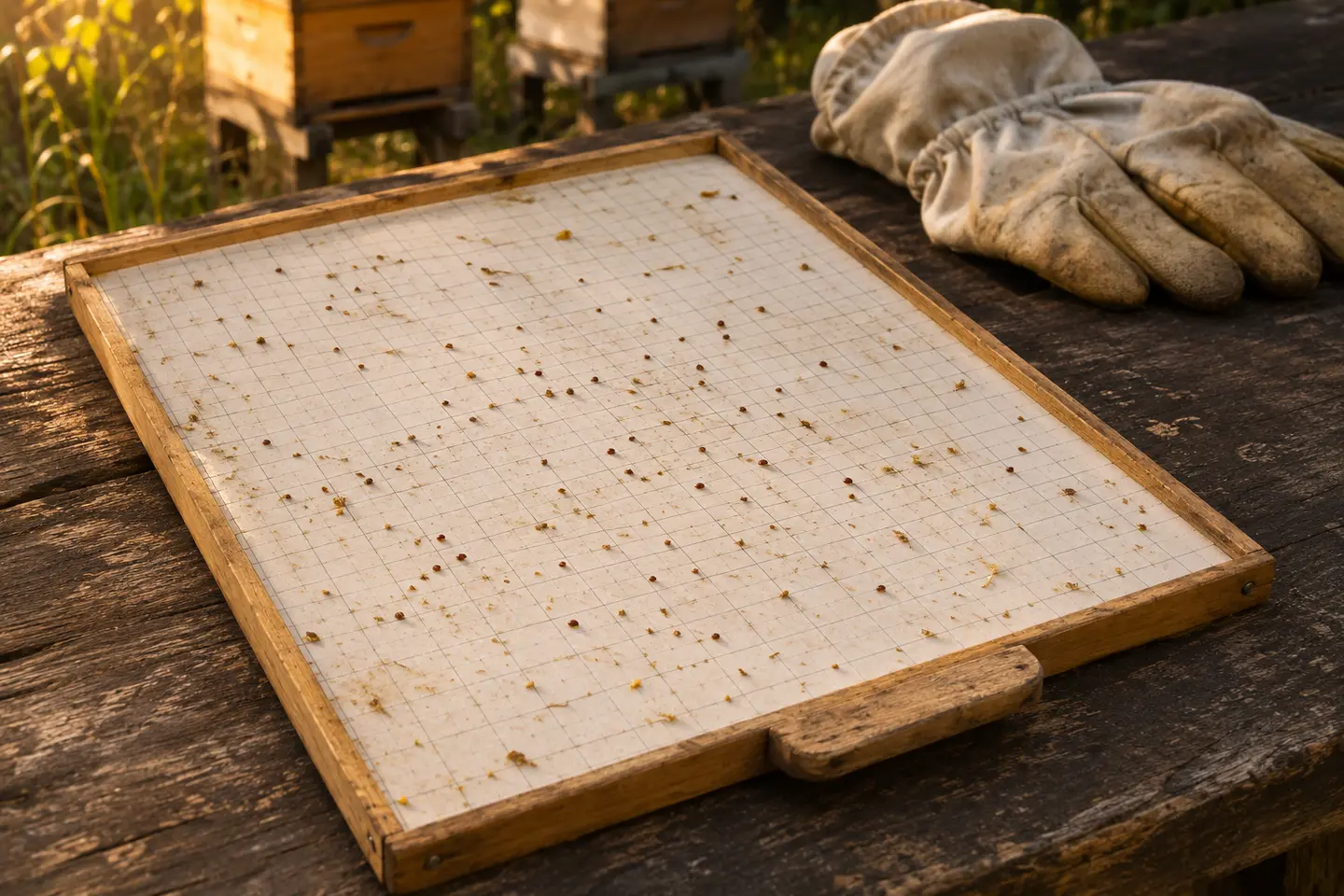
Varroa monitoring
Designed to detect and count visible Varroa mites in a monitoring-board photo for an inspector to review.
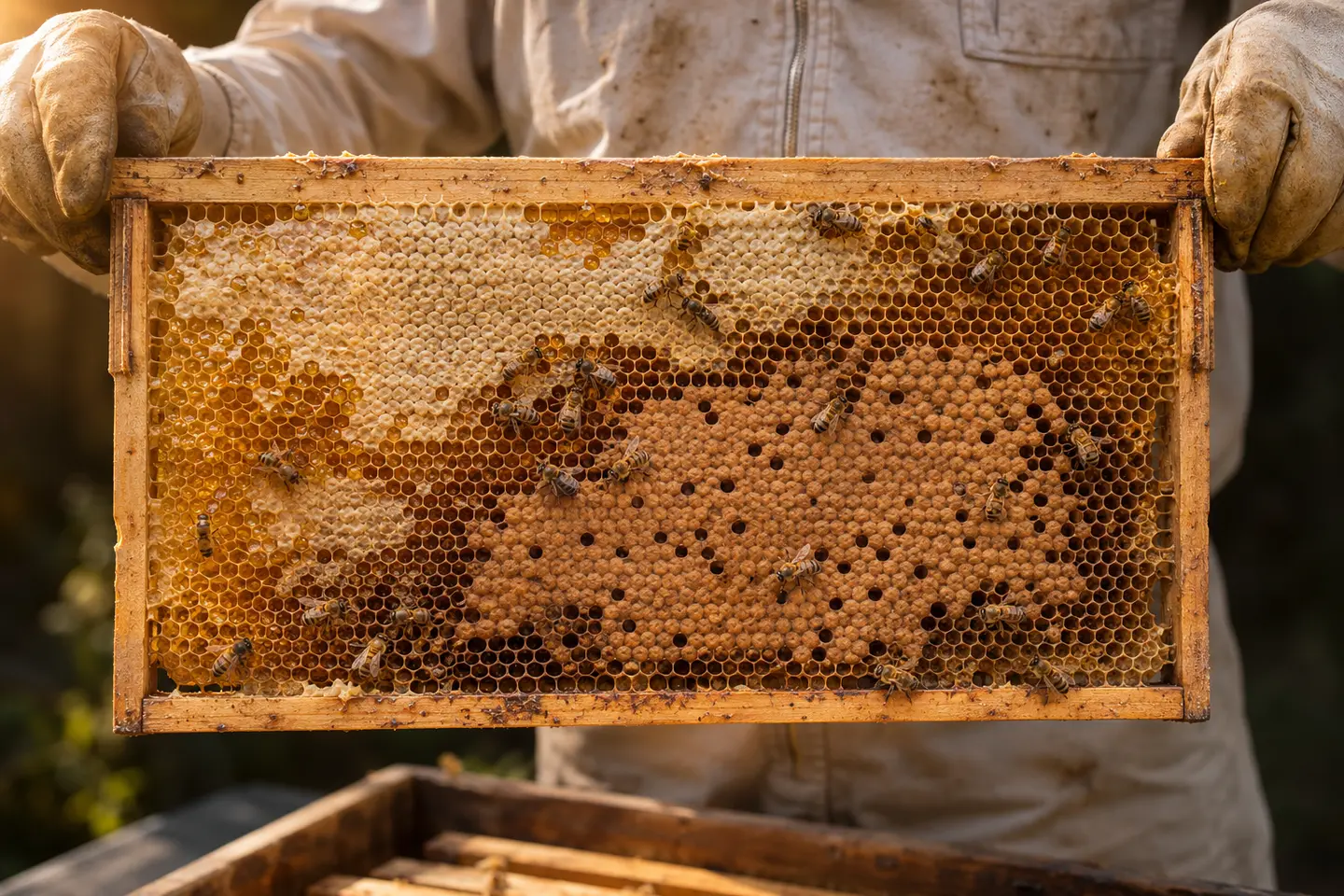
Hive frame
Designed to help inspectors identify visible features in a hive-frame photo and compare them with later photos.
An example inspection
Imagine taking over a hive inspection from a colleague. A higher mite count catches your eye. The record should help you decide what to check next.
Open the original board photo alongside the count and the sampling notes.
Check whether the boards were in place for similar lengths of time before comparing counts.
Record what’s still uncertain and what you want the next inspector to check.
Vision & roadmap
The bee marks our current focus on turning a photo review into a decision about what to check next. The rest of the path shows directions we want to explore.
In development

Review visible Varroa mite counts against board photos.

Review visible features in a hive-frame photo.
Workflow to explore

Keep observations and their source photos together.

Explore possible causes and identify missing context.

Decide what to check on the next inspection.
Compare observations across visits.
Exploratory
Share observations with apiaries and experts.

Explore what sound, sensors, and hive activity could add.
What we learn in the field will shape where APION goes next.
A note from the founder
I’m building APION independently. If you inspect hives or manage several apiaries, I’d like to see how you record a visit and what you wish you knew when you came back. One inspection record is enough to start.
Contact us